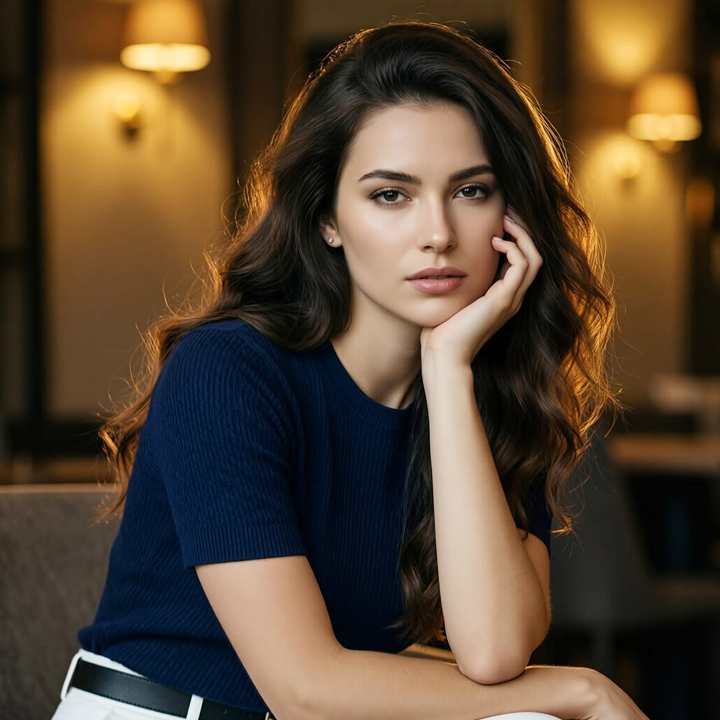
Creating Outfit Combinations That Feel Different Using Familiar Pieces
A versatile wardrobe is not built by constantly adding new clothing. Instead, it grows through discovering fresh ways to wear pieces you already enjoy. This approach creates what many call style rhythm—the ability to build outfits that feel new while using familiar garments repeatedly.
Style rhythm is about variation without unnecessary complexity. By changing proportions, colors, textures, and layering techniques, the same clothing can create entirely different impressions across various occasions. Rather than chasing endless variety, learning to work creatively with existing pieces results in a wardrobe that feels both practical and endlessly adaptable.
Build Around Reliable Essentials
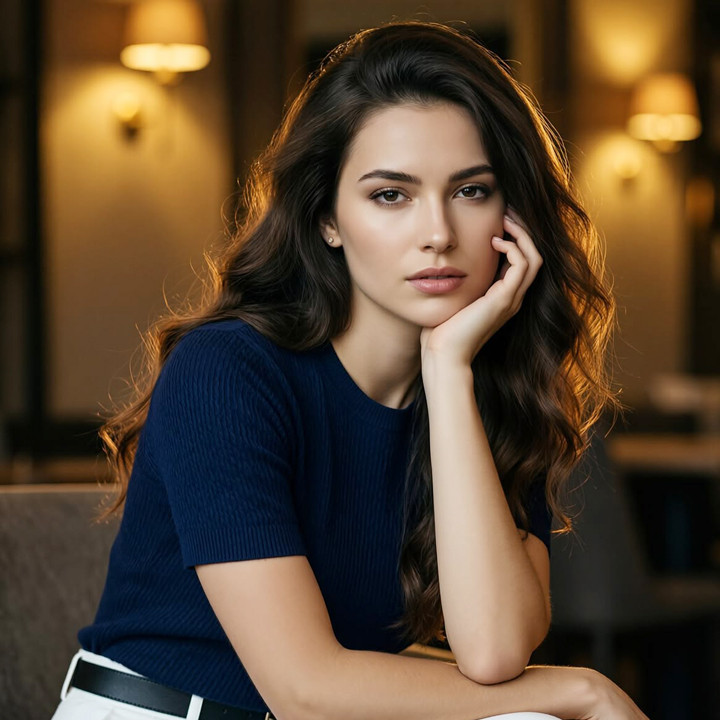
Every successful outfit begins with dependable wardrobe staples. Well-made shirts, tailored trousers, classic denim, versatile dresses, comfortable knitwear, and timeless outer layers provide countless styling possibilities.
These essentials become the foundation for multiple outfit combinations because they are designed to complement one another naturally. Instead of viewing them as repetitive, think of them as flexible building blocks that support different styling directions. A strong collection of versatile clothing makes creating fresh outfits significantly easier.
Change The Focus Every Time
Repeating the same garments does not mean repeating the same look. One of the easiest ways to create visual variety is by changing the focal point of each outfit.
On one occasion, a patterned shirt may become the highlight while the remaining garments stay understated. Another day, a beautifully tailored pair of trousers can become the defining feature when paired with a simple top. Allowing different pieces to take the spotlight creates noticeable change without introducing completely new clothing.
Experiment With Color Pairings
Colors dramatically influence how familiar garments are perceived. Even when wearing identical clothing, changing surrounding colors creates an entirely different mood.
Soft neutral combinations offer a calm and refined appearance, while richer shades introduce warmth and energy. Mixing lighter and deeper tones also creates visual movement that keeps outfits feeling fresh. Exploring new color relationships is one of the simplest ways to extend the versatility of every wardrobe.
Layer With Purpose
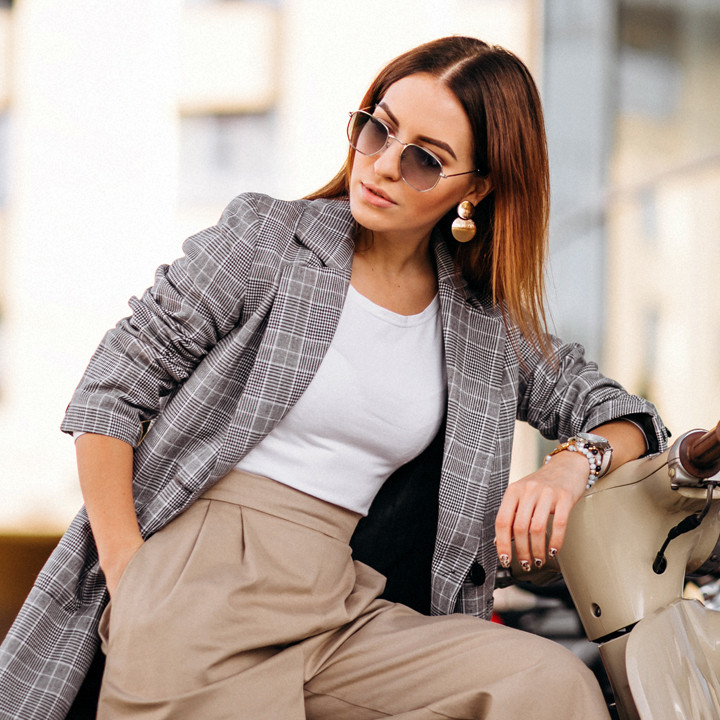
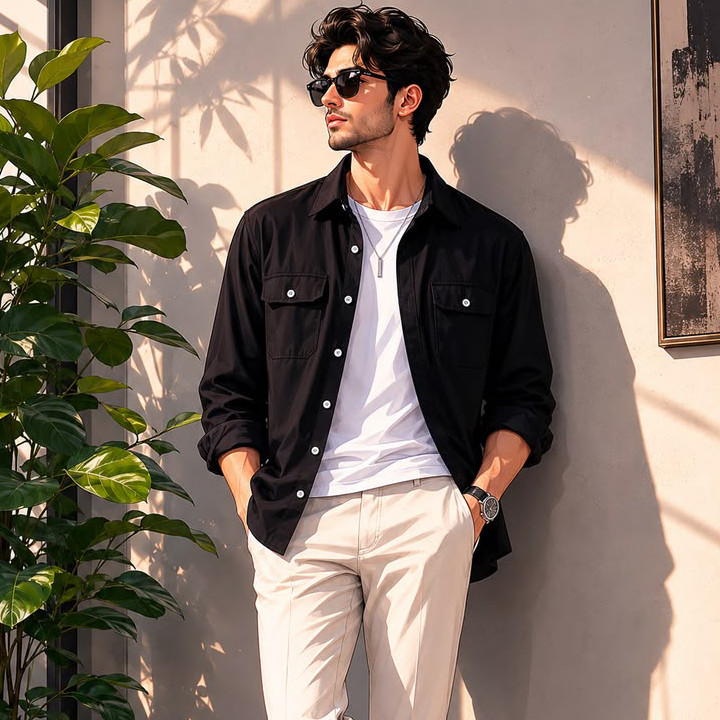
Layering introduces depth without requiring additional wardrobe purchases. A lightweight overshirt, structured blazer, soft cardigan, or elegant longline layer can completely transform familiar clothing.
Layering also changes the overall silhouette, allowing the same garments to suit different settings throughout the year. Even partially layering garments creates dimension that keeps outfits visually engaging. Thoughtful layering helps familiar pieces feel refreshed while maintaining comfort and practicality.
Create Variety Through Proportion
Changing proportions gives existing clothing an entirely different personality. Pairing relaxed garments with more structured pieces creates balance while preventing outfits from feeling predictable.
Longer silhouettes may create a flowing appearance, while cleaner lines often feel more refined. Small adjustments in proportion influence the overall impression without requiring dramatic wardrobe changes. Balanced proportions allow familiar garments to express different styles depending on how they are combined.
Mix Different Fabric Textures
Texture adds quiet sophistication to everyday dressing. Combining crisp cotton, soft knits, breathable linen, or refined woven fabrics creates subtle contrast that enriches simple outfits.
Even when colors remain similar, varying textures introduces enough visual interest to prevent repetition. This understated approach keeps outfits dynamic without appearing overly styled. Texture allows familiar garments to feel fresh through thoughtful combinations rather than dramatic changes.
Dress For Different Moods
Style rhythm becomes stronger when clothing reflects changing moods rather than fixed outfit formulas. The same garments can feel relaxed, polished, creative, or understated depending on how they are combined.
Choosing softer colors for calm days or sharper silhouettes for professional settings allows familiar pieces to adapt naturally. Instead of assigning garments to only one purpose, view them as flexible options that support different moments. This mindset expands styling possibilities while reducing unnecessary wardrobe limitations.
Embrace Intentional Simplicity
Creating new outfit combinations is not about adding more elements. Often, the strongest looks are built through restraint and thoughtful coordination.
When every garment complements the others in color, proportion, and texture, the overall appearance feels effortless rather than carefully constructed. Simplicity allows individual pieces to work together naturally without competing for attention. Over time, intentional simplicity creates a wardrobe that remains consistently versatile, refined, and enjoyable to wear.
Let Personal Style Evolve Naturally
Style rhythm develops through observation and experimentation. Wearing familiar clothing in different ways encourages creativity while helping you better understand your personal preferences.
Each new combination reveals how versatile everyday garments can become when viewed from a fresh perspective. Instead of constantly seeking something new, focus on discovering untapped possibilities within your existing wardrobe.
The most memorable style often comes from thoughtful repetition rather than constant change. By adjusting color pairings, proportions, textures, layering, and overall balance, familiar clothing continues to feel exciting while remaining practical for everyday life. A wardrobe built with style rhythm grows more valuable over time because every piece contributes to countless combinations, making dressing both effortless and consistently inspiring.